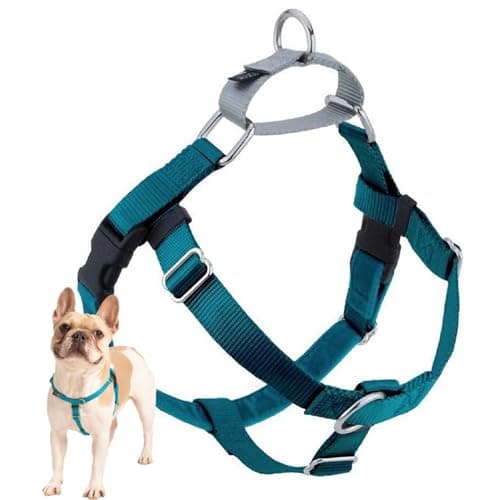
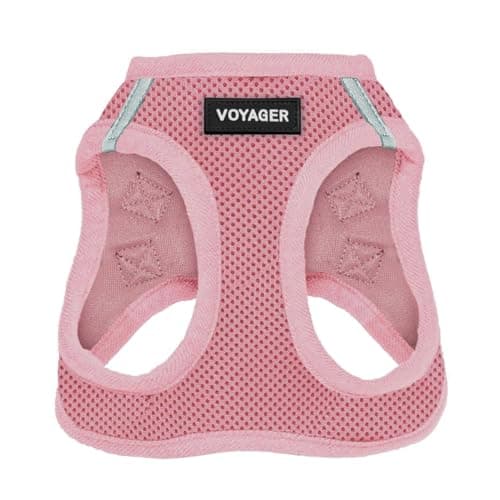
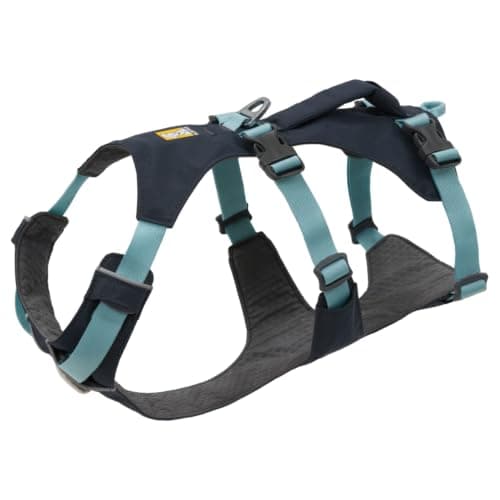
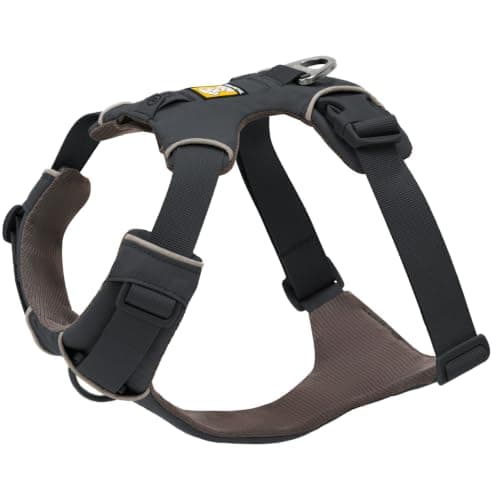
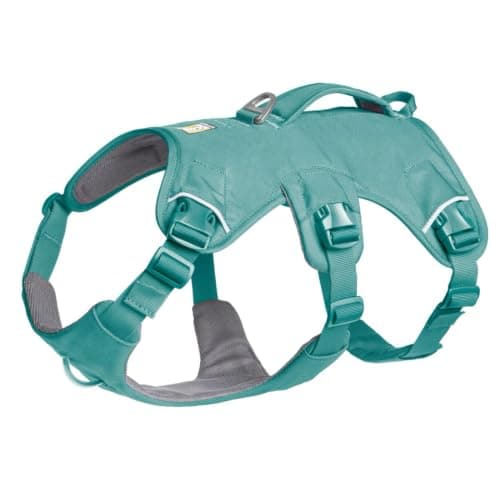
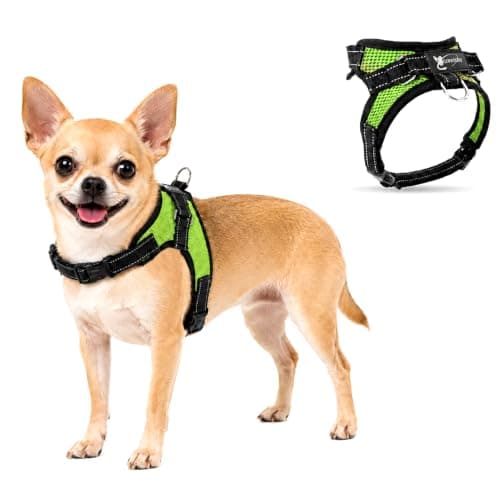
A harness is the one piece of walking gear where the price spread is absurd relative to the difference in the product. You can pay $18 or you can pay $80, and the $18 harness will have the same two leash clips, the same reflective straps and, honestly, most of the same padding. What the premium price buys is genuinely wider load-spreading panels, hardware that survives years of daily use, and a fit that holds on a hard-pulling dog. For a lot of dogs, that’s worth it. For most, it isn’t — and the whole point of this guide is to tell you which camp you’re in before you spend.
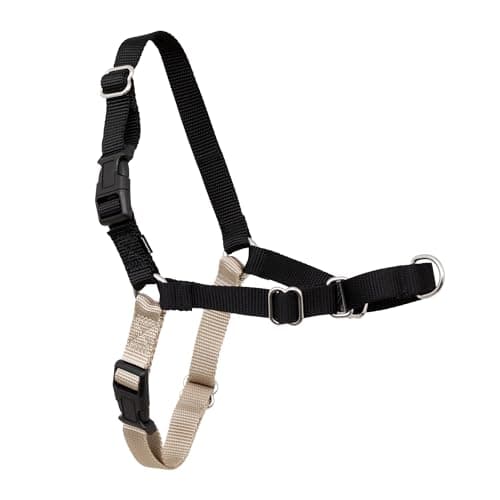
The single most important thing a harness does — more than any brand name — is take pressure off a dog’s neck. A dog that pulls on a flat collar is loading its trachea; a harness spreads that force across the chest instead. The American Kennel Club is blunt about it: for a dog that pulls, a harness is the safer choice, and a front leash attachment is the part that actually reduces the pulling by turning the dog back toward you. That’s why every harness we rank here has a front ring, or is honest about being a back-clip-only vest for a dog that already walks nicely.
How we pick for value
We don’t run a test lab, and we don’t claim to. What we do is read the published specs on every harness — clip configuration, number of adjustment points, strap material, reflectivity, whether it has a control handle — and then reason about which features genuinely matter for the price. A fourth adjustment point matters for an escape-prone chest. A front clip matters for a puller. A padded handle matters if you walk near roads. Reflective straps matter if you walk at night. A boutique logo doesn’t matter at all. We rank on the features-per-dollar that survive that filter, and we cite the independent guidance (AKC, manufacturer sizing) that backs the reasoning.
What to look for
- The right clips for your dog. Front ring for a puller, back ring for a trained dog, both if you want the flexibility. A vest with only a back ring is fine — but not for a dog that leans into the leash.
- Enough adjustment points. Two straps is the minimum; four or five lets you dial in a deep or narrow chest so the dog can’t back out of it.
- Load-spreading width. Wider chest and belly panels are the real difference between a premium harness and a cheap one — they stop a strong dog’s pull from digging a thin strap into the armpit.
- Fit over brand. Measure the widest part of the rib cage and the neck before you buy, keep two fingers of slack, and size up if the dog is between sizes. A perfectly-branded harness that fits wrong is worse than a cheap one that fits right.
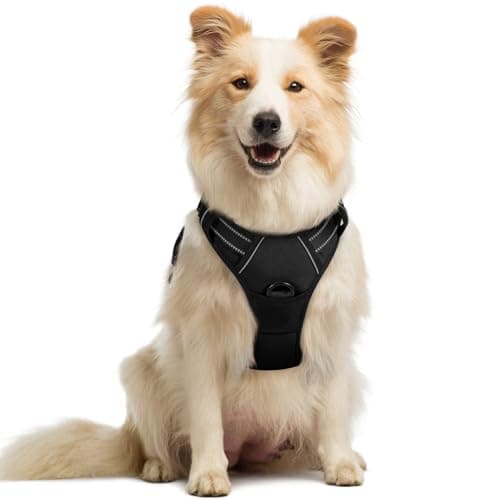
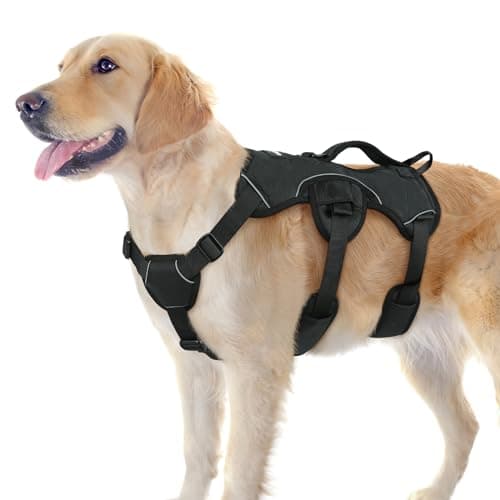
Our value benchmark, and the harness most dogs should start with, is the rabbitgoo below: two clips, four adjustment points, reflective straps and a handle for roughly a fifth of the premium price. It’s not the toughest harness here, but it does 90% of the job for 20% of the money — which is the entire editorial spine of this site.
Buying a harness as a gift, or wondering whether to wait for the November sales? The same picks are re-explained for a gifter on our gifts under $50, and the Black Friday page says honestly what tends to discount and what to buy now.