Collar Creek

The best crash-tested dog car harnesses

We don't crash-test anything ourselves — we rank on the independent Center for Pet Safety results and AVMA guidance, and we cite them, never fake them.

By Stephen V.Updated How we research

An unrestrained dog in a moving car is a risk to itself and to everyone else in the vehicle. In a sudden stop, a loose dog becomes a projectile, and even a low-speed fender-bender can throw a small dog off the seat. The American Veterinary Medical Association is direct about the fix: the safest place for a dog is the back seat, restrained — whether that restraint is a crate, a carrier, or a harness. A dog riding shotgun sits in front of an airbag designed for an adult human, which can seriously injure a dog when it deploys. So the first decision isn’t which harness to buy — it’s simply to restrain the dog, in the back, every single trip.

Here’s the part the packaging won’t tell you plainly: “crash-tested” is not a regulated phrase. There is no federal safety standard for dog car harnesses the way there is for child car seats, so a brand can print “crash-tested” on the box after running its own in-house test — or, in some cases, after running nothing you can verify at all. The one organization that tests these products independently is the Center for Pet Safety, a nonprofit that puts harnesses through a static strength test and then a simulated 30 mph crash, and publishes what passes and what fails. Very few harnesses earn its certification. When we call a harness “crash-tested” here, we tell you exactly who did the testing — the independent Center for Pet Safety, or the maker’s own lab — because those two claims are not the same thing. We don’t own crash sleds and we test nothing ourselves; we read and cite the published results.

How a car harness actually holds your dog

A real car harness is a padded vest with wide panels that spread force across the dog’s chest and shoulders — never the neck — and it connects to the car through the seat’s own belt system. Usually you thread the vehicle seatbelt through a loop on the back of the vest, or clip a short, rigid tether from the vest to the seatbelt buckle or a LATCH anchor. The shorter and less stretchy that connection, the better: in a crash you want the dog held close to the seat, not swinging forward on a long strap. That single mechanical idea — a wide vest and a short, strong link to the car’s belt — is what separates a genuine crash harness from a convenience strap.

The tether caveat — read this before you buy the cheap option

Most of the very cheap “dog seat belts” you’ll see are tethers, not harnesses. A tether is a short strap that clips your dog’s existing harness to the seatbelt so it can’t roam the cabin or climb into your lap. That’s genuinely useful — a loose dog is a distraction — but a tether by itself is not crash protection. It restrains movement; it does not spread crash forces or hold a dog safely in an impact, and a retractable tether’s stretch is the opposite of what you want in a collision. Buy a tether to pair with a proper harness, or to stop a well-behaved dog wandering — never as your only line of car safety.

How we pick for value

We’re value buyers, not a crash lab, and we’re honest about the difference. We start from the independent Center for Pet Safety results and the AVMA’s guidance, then reason about which product earns its price for a normal owner. Here’s what we weigh:

  • Who did the testing.Independent CPS certification beats a maker’s own test, which beats an unbacked “crash-tested” claim. We rank in that order.
  • How it connects to the car. A short, low-stretch link to the seatbelt or a LATCH anchor matters far more than a logo.
  • Whether it doubles as a walking harness. A vest you can also walk the dog in earns its keep across the whole week, not just the road trip.
  • Honest fit for your dog’s size.A harness that fits the chest is safer than a pricier one that doesn’t — measure before you buy.

Our safety pick, and the only harness here with independent certification, is the Sleepypod Clickit below — it earns the Center for Pet Safety’s top crash rating, and if car safety is the whole reason you’re shopping, it’s the one to buy. If that’s out of budget, Kurgo’s Tru-Fit is the value step down: crash-tested by the maker and far cheaper, though not independently certified. Below those sit the two tethers — one a well-built add-on for a harness you already trust, one we’d skip as a safety device entirely. We’ll tell you which is which.

How this is funded:we earn a commission if you buy through our links, at no extra cost to you. It never changes which product we recommend, and we’ll tell you when we’d skip one. Full disclosure.

Crash-tested dog car harnesses, ranked

Quick picks

Ranked on specs, value and fit. Select a row to jump to the full write-up. We have not tested these ourselves — here is exactly what we do instead.

#ProductBest forPrice
1
Sleepypod Clickit Sport Plus

Sleepypod Clickit Sport Plus

The one to buy if car safety is the point. Sleepypod's Clickit line is among the very few harnesses to earn the Center for Pet Safety's top crash-test rating — it's engineered to actually restrain a dog in a 30 mph impact, not just clip to a seatbelt. Expensive, and worth it.

Best crash-tested (CPS)
$109.24 · View on Amazon

Price as of July 22, 2026. #ad How we’re funded

2
Kurgo Tru-Fit Smart Harness (Enhanced Strength)

Kurgo Tru-Fit Smart Harness (Enhanced Strength)

The value crash-tested pick. Kurgo crash-tests its Enhanced Strength Tru-Fit (to a 75 lb standard) and includes a seatbelt tether, at well under half the Sleepypod's price. Not CPS-certified, but a real, tested step above a bare tether.

Best value
$26.99 · View on Amazon

Price as of July 22, 2026. #ad How we’re funded

3
Mighty Paw Dog Seat Belt Tether

Mighty Paw Dog Seat Belt Tether

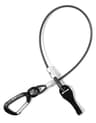
A well-made tether to pair with a crash-tested harness — heavy-duty hardware, a chew-resistant metal casing and a swivel to stop tangling. Important: a tether restrains movement, it is not a crash-safety device on its own. Use it with a real harness.

Best tether add-on
$14.99 · View on Amazon

Price as of July 22, 2026. #ad How we’re funded

4
COOYOO Retractable Dog Seat Belt

COOYOO Retractable Dog Seat Belt

The cheapest thing here, and the one we'd steer you away from as a safety device. A retractable seatbelt tether keeps a dog from roaming the car, but the stretch and the light hardware mean it offers little in a crash. Fine to stop a dog climbing up front; not a safety harness.

Skip as a safety device
$6.99 · View on Amazon

Price as of July 22, 2026. #ad How we’re funded

#1Best crash-tested (CPS)

Sleepypod Clickit Sport Plus

The one to buy if car safety is the point. Sleepypod's Clickit line is among the very few harnesses to earn the Center for Pet Safety's top crash-test rating — it's engineered to actually restrain a dog in a 30 mph impact, not just clip to a seatbelt. Expensive, and worth it.

Strengths

  • Center for Pet Safety top-rated crash performance (independently tested)
  • Wide vest spreads crash forces across the chest, not the neck
  • Doubles as a walking harness

Trade-offs

  • Premium price — the most expensive option here
  • Bulkier to put on than a simple tether
Crash-testedYes — CPS top rating (cited)
Attaches viaSeatbelt through the vest
Doubles asWalking harness
SizesMultiple, chest-based

Specs read from the product listing on July 22, 2026. “Not published” means the brand does not state that figure.

#2Best value

Kurgo Tru-Fit Smart Harness (Enhanced Strength)

The value crash-tested pick. Kurgo crash-tests its Enhanced Strength Tru-Fit (to a 75 lb standard) and includes a seatbelt tether, at well under half the Sleepypod's price. Not CPS-certified, but a real, tested step above a bare tether.

Strengths

  • Crash-tested by the maker to a stated weight; steel nesting buckles
  • Includes a seatbelt tether in the box
  • Five adjustment points, doubles as a walking harness

Trade-offs

  • Manufacturer-tested, not independently CPS-certified like Sleepypod
  • Fit takes some fiddling to get right
Crash-testedYes — maker-tested to 75 lb
Tether includedYes
BucklesSteel nesting
Doubles asWalking harness

Specs read from the product listing on July 22, 2026. “Not published” means the brand does not state that figure.

#3Best tether add-on

Mighty Paw Dog Seat Belt Tether

A well-made tether to pair with a crash-tested harness — heavy-duty hardware, a chew-resistant metal casing and a swivel to stop tangling. Important: a tether restrains movement, it is not a crash-safety device on its own. Use it with a real harness.

Strengths

  • Chew-resistant metal casing and a strong bolt snap
  • Swivel clip prevents the tether twisting up
  • Cheap add-on to a harness you already trust

Trade-offs

  • A tether alone is NOT crash protection
  • Only as safe as the harness you clip it to
TypeSeatbelt tether (not a harness)
Crash-testedNo — pair with a tested harness
HardwareMetal casing, swivel snap
Attaches viaSeatbelt buckle or latch

Specs read from the product listing on July 22, 2026. “Not published” means the brand does not state that figure.

#4Skip as a safety device

COOYOO Retractable Dog Seat Belt

The cheapest thing here, and the one we'd steer you away from as a safety device. A retractable seatbelt tether keeps a dog from roaming the car, but the stretch and the light hardware mean it offers little in a crash. Fine to stop a dog climbing up front; not a safety harness.

Strengths

  • Very cheap and stops a dog wandering the cabin
  • Retractable strap adjusts to the dog

Trade-offs

  • Retractable stretch is the opposite of what a crash needs
  • Light hardware — do not rely on it for protection
TypeRetractable tether (not a harness)
Crash-testedNo
Best usePrevent roaming only
Attaches viaSeatbelt buckle

Specs read from the product listing on July 22, 2026. “Not published” means the brand does not state that figure.

More in Car & Travel

Go deeper on the specific pick you need — every guide below leads with the value option.

Frequently asked questions

Where is the safest place for my dog to ride in the car?

The back seat, restrained. The AVMA recommends restraining a dog in the back — in a crate, carrier, or harness — rather than letting it ride loose or up front. A loose dog can be thrown in a crash or become a distraction, and a dog in the front seat sits in front of an airbag built for an adult human, which can injure it if it deploys.

What does 'crash-tested' actually mean on a dog harness?

Less than you'd hope. There's no government safety standard for dog car harnesses, so 'crash-tested' can mean a brand ran its own in-house test, or almost nothing at all. The one independent tester is the Center for Pet Safety, which runs a static strength test and a simulated 30 mph crash and certifies the few that pass. We cite who tested a harness — CPS or the maker — because those claims aren't equal.

Is a dog seat belt tether enough to keep my dog safe?

No — a tether is not crash protection on its own. A seat belt tether clips your dog's harness to the belt so it can't roam the cabin, which is genuinely useful, but it doesn't spread crash forces or hold the dog in an impact. Use a tether to pair with a proper crash-tested harness, not as your only restraint. A retractable tether's stretch is especially poor in a collision.

Do I have to buy the most expensive harness to keep my dog safe?

Not necessarily, but here safety and price line up more than we'd like. Only the Sleepypod Clickit carries independent Center for Pet Safety certification, and it's the priciest option. Kurgo's Tru-Fit is far cheaper and crash-tested by the maker — a real step up from a bare tether, just not independently certified. Match the spend to how much crash protection you actually want.

Can a dog car harness also be used for walks?

Many can, and it's a genuine value bonus. The Sleepypod Clickit and Kurgo Tru-Fit are both padded vests that work as everyday walking harnesses as well as car restraints, so you're not buying a single-purpose product. A bare seat belt tether is the exception — it's car-only and needs a separate walking harness.

How should a dog car harness fit?

Snug across the chest, with the wide panels sitting over the chest and shoulders and never the neck. Measure your dog's chest girth and match the maker's size chart rather than guessing by weight alone. A car harness only protects if it fits — a loose vest lets a dog shift forward — and the connection to the seatbelt or LATCH anchor should be short with as little slack as possible.

Sources

Explore the rest of Collar Creek