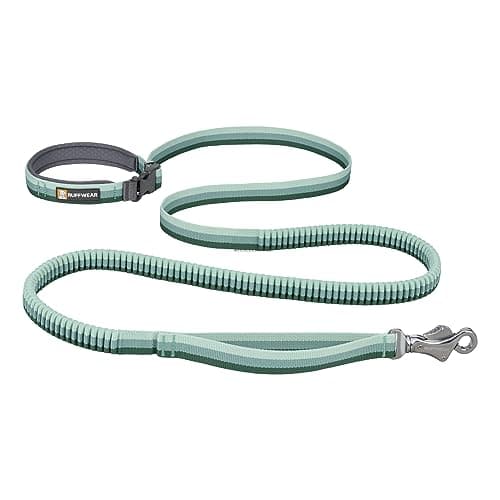
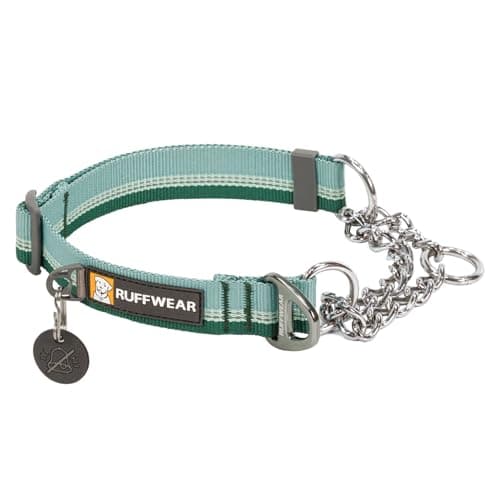
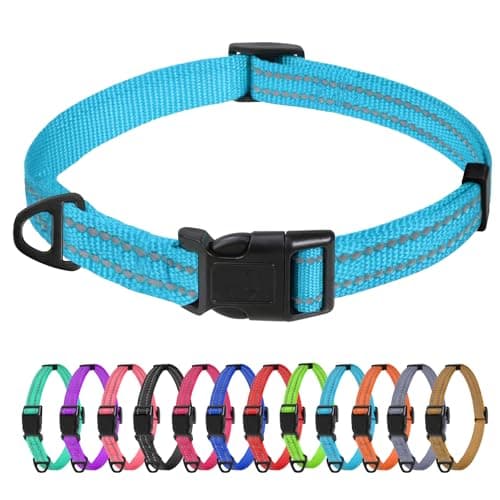
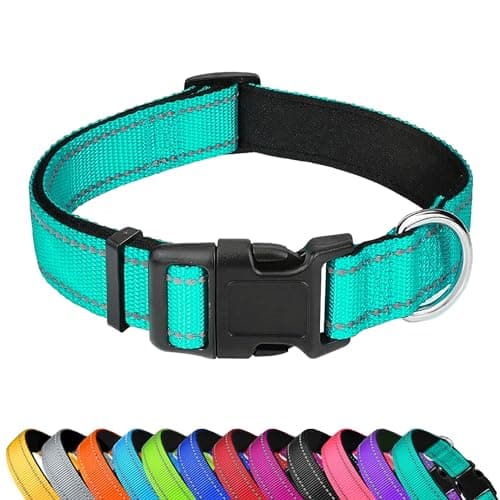
A leash and a collar are the two cheapest things you’ll ever buy for your dog, and they’re also the two most over-marketed. There’s a genuinely good rope leash and a genuinely good flat collar available for pocket money, and past that point most of what you’re paying for is a logo, a pattern, or a “premium” story that doesn’t change how the leash feels in your hand or how the collar sits on your dog’s neck. This page ranks the everyday walking gear the way a value buyer actually shops it: what does the job, what lasts, and the handful of places where spending more genuinely earns its keep.
What a good leash actually has to do
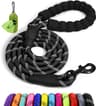
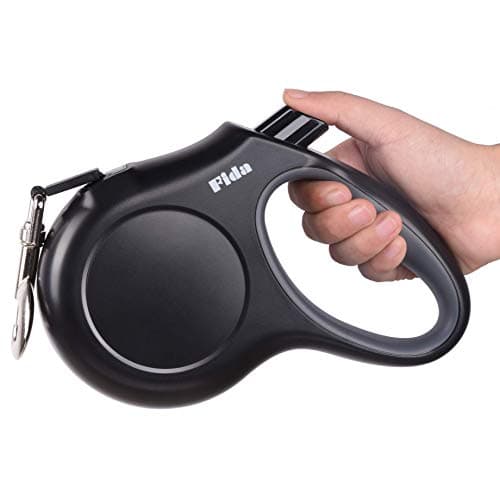
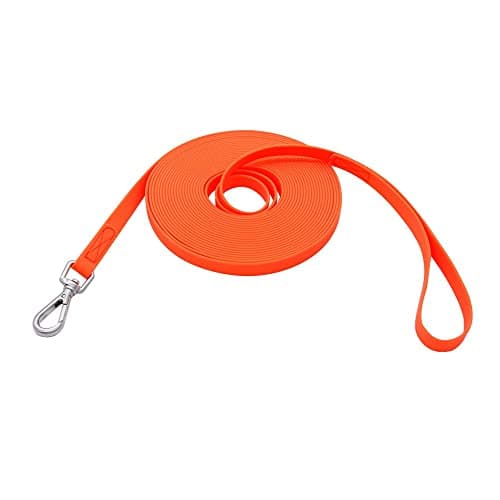
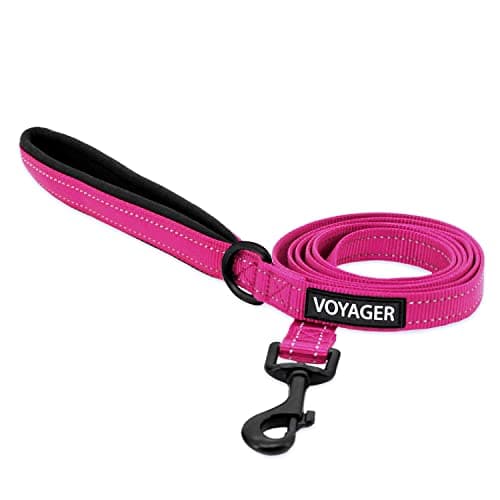
For most dogs and most walks, a leash has one job: give you a comfortable, secure connection at a sensible distance. That comes down to a few specs, and none of them is brand. Length is the big one — a fixed four-to-six foot leash keeps a dog close enough to control on a sidewalk, which is why trainers reach for one and steer people away from retractable leashes that teach a dog to pull against constant tension. Material decides comfort and grip: braided rope is soft on the hands and absorbs a lunge, flat nylon is light and dries fast, and leather ages into the nicest handle of all if you will care for it. After that it’s the small hardware — a clip that won’t fail, a padded or traffic handle for close control, and reflective threading if you ever walk after dark.
- Length that matches the walk. Four to six feet is the standard for a reason — close control on a sidewalk, a little freedom on a trail. Skip retractables for training or busy streets.
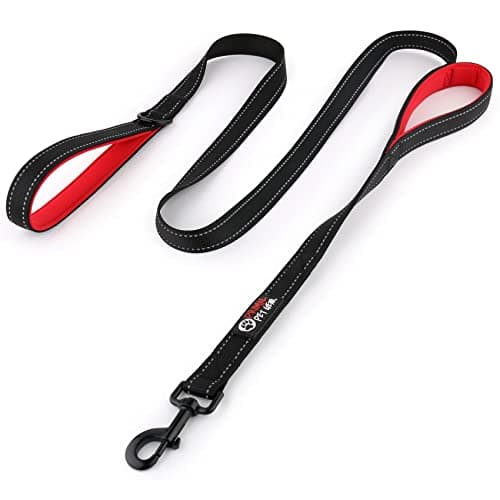
- Material you’ll actually hold. Rope for a cushioned grip, flat nylon for light-and-washable, leather if you want it to last for years. A second traffic handle near the clip lets you choke up in a crowd.
- Hardware that won’t let go. The clip is the part that fails on a cheap leash. A solid bolt or trigger snap matters far more than the color of the webbing.
- Reflectivity for night walks. Reflective stitching costs a maker almost nothing, and it’s the single best safety upgrade for early-morning and after-dark walks.
How we pick for value
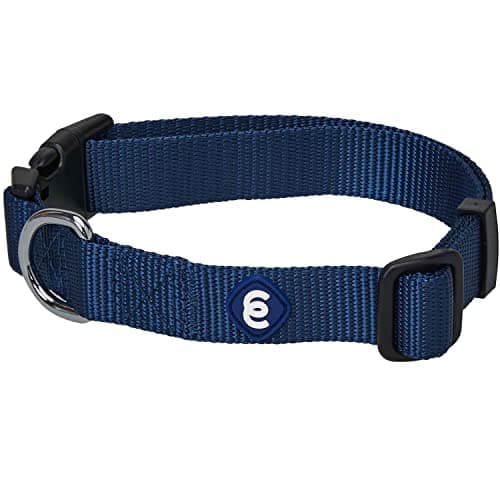
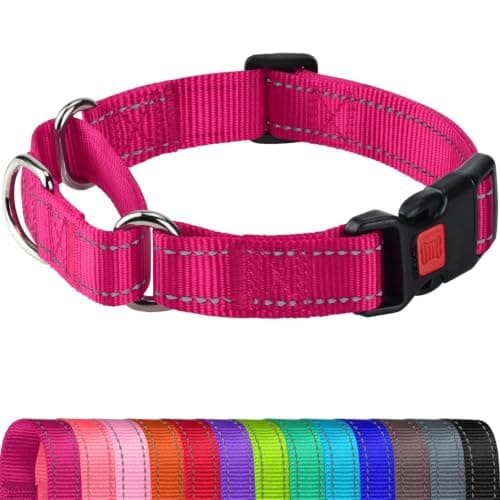
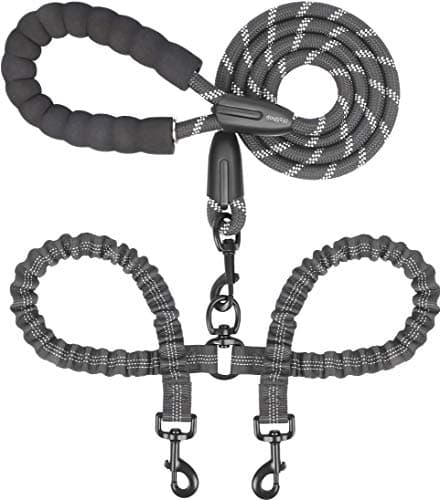
We don’t run a test lab, and we don’t own the units. What we do is read the published specs on every leash and collar, line up the features that genuinely matter against the price, and tell you where the curve flattens out — and it flattens fast. A padded-handle rope leash with reflective threading does the vast majority of what a boutique leash does for a fraction of the money; a soft nylon collar with a solid buckle and a strong D-ring is all a well-behaved dog needs to carry its tags. We only push you toward the pricier option when there’s a concrete reason — a bungee leash for running, a heavy double-handle for a powerful puller, a martingale for a dog that backs out of its collar. When there isn’t a reason, we say so and point you at the cheaper pick. The reasoning leans on independent guidance (the AKC on leash training and pulling), not on our own say-so.
Leash, collar and harness are three different jobs
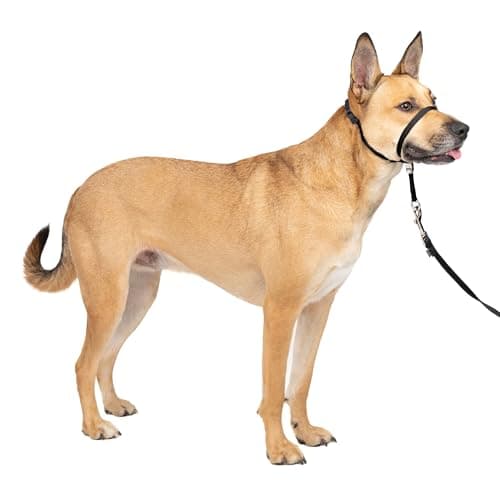
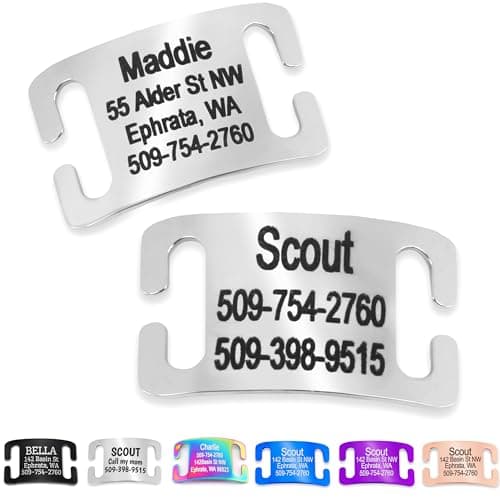
The mistake that costs people the most money is treating these as interchangeable. They aren’t — they’re three separate jobs, and most dogs need all three. The collar’s real job is to carry ID tags; every dog should wear one, whether or not you ever clip a leash to it. The leash is the connection between you and the dog. The harness is what you attach the leash to when the dog pulls, because it keeps that force off the neck. A flat collar is a perfectly good walking attachment for a dog that already walks on a loose leash, but it is not a pull-control tool — if your dog leans into the leash, that’s a harness’s job, and we cover those in a separate hub. Buy the collar for ID, buy the leash for the walk, and add a harness only if your dog needs one. Get that split right and you’ll spend less, and control your dog better, than someone who bought one expensive “does-it-all” set.