A bed and a crate are the two things your dog actually lives on. Your dog spends more hours asleep on its bed than it will ever spend in a harness, on a leash, or wearing a collar you buy — which is exactly why the marketing around beds is so effective, and why it pays to know what you’re really looking at. The good news for a value buyer is that the gap between a genuinely supportive bed and an overpriced one is small and easy to spot once you know the two or three things that matter. The bad news is that the single word doing the most work on these product pages — “orthopedic” — is almost completely unregulated.
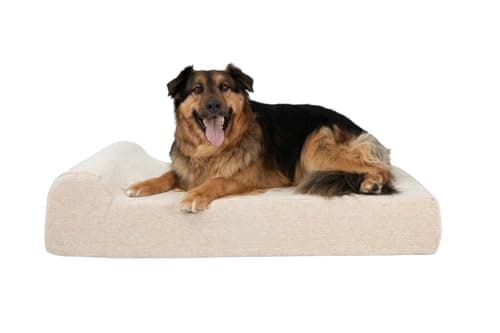
On a good bed, “orthopedic” means a thick, therapeutic base of solid or memory foam that holds a heavy dog up off the floor and doesn’t bottom out under its weight. On plenty of beds it means exactly that. On plenty of others it means a thin foam sheet laid over the same shredded stuffing as a budget bed, or simply a plush fill with the word printed on the label. Neither of those supports an aging dog’s joints, and telling the two apart is the most useful skill on this page. A genuine orthopedic bed states a solid or memory-foam base with a real thickness; a marketing “orthopedic” bed stays vague about what’s actually inside. When a bed is honestly just a cozy filled cushion — like the cheapest pick on our list — we say so plainly, because a curl-up bed is perfect for a small, healthy dog and the wrong choice for a big senior.
What makes a good bed
A few things decide whether a bed is worth its price, and none of them is the brand on the label:
- The right size. Measure your dog stretched out on its side and add a margin, then buy a bed at least that long. A dog that hangs off the edge won’t use the bed, and the whole point of a supportive base is lost if the dog sleeps half on the floor.
- Genuine support, not just fill. For a large or older dog, look for a solid or memory-foam base with a stated thickness. A thick therapeutic base is what actually keeps hips and elbows off a hard floor; a pile of loose stuffing compresses flat within weeks.
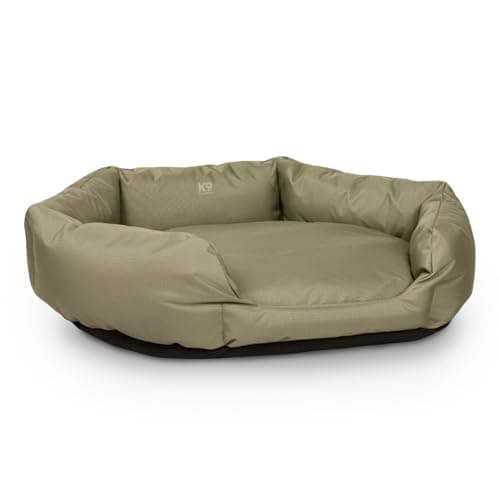
- The right shape. Bolstered sides give a dog that curls or likes a headrest something to lean into; a flat mattress suits a dog that sprawls and stretches out. Neither is better — it depends on how your dog sleeps.
- A washable, water-resistant cover. A removable cover you can machine wash, ideally over a water-resistant inner liner, is the difference between a bed that lasts years and one that has to be thrown out after a muddy winter.
- Chew resistance, if your dog needs it. If you’ve already lost beds to a chewer or digger, ripstop fabric and reinforced seams (and a chew warranty) are worth paying for. For most dogs they’re not.
How we pick for value
We don’t run a test lab and we don’t own these beds, so we don’t pretend to. What we do is read the published spec on every bed — what the base is actually made of, how thick it is, whether the cover comes off and washes, what warranty backs it — and then reason about which features earn their price. A solid memory-foam base matters for a heavy dog. A washable cover matters for every dog. A 10-year warranty matters if you’re buying once for a big breed. A fashionable print doesn’t matter at all. We rank on the support-per-dollar that survives that filter, we cite the independent guidance that backs the reasoning, and we tell you when a cheaper bed is genuinely enough.
The American Kennel Club’s advice on choosing a bed lines up with that approach: match the bed to how your dog sleeps and how big it is, and steer older dogs and dogs with joint problems toward a genuinely supportive orthopedic or memory-foam bed rather than a thin pad. That last point is the one the ads bury — support is a health question for a senior dog, not a luxury — and it’s why our large- and senior-dog guide is the most important page in this section.
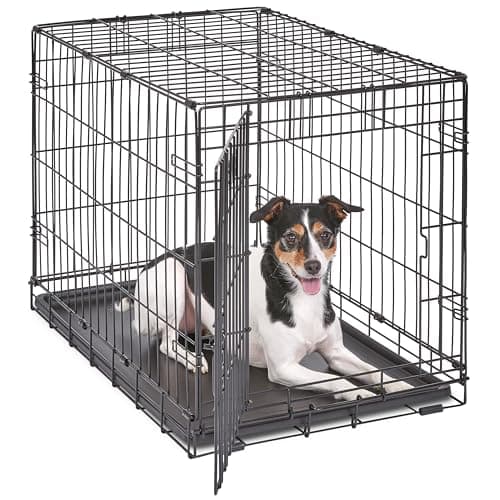
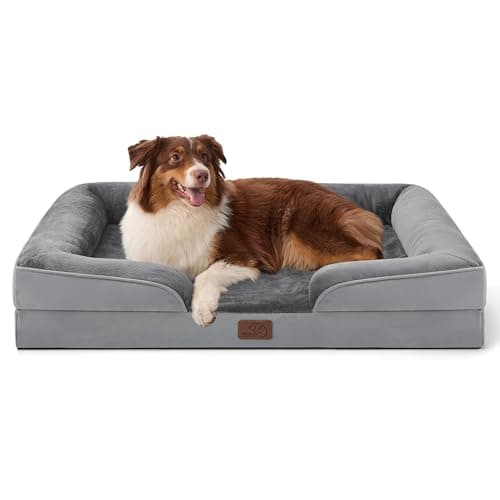
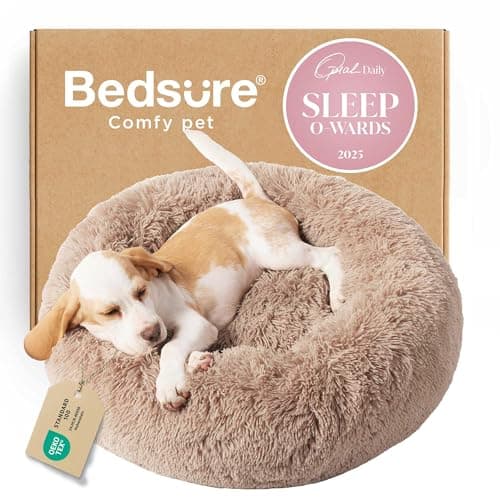
Our value benchmark, and the bed most dogs should start with, is the Bedsure below: a real egg-crate orthopedic foam base, bolstered edges and a washable, water-resistant cover for a fraction of what the boutique orthopedic brands charge. It isn’t the thickest bed here — a very large senior still wants the Big Barker — but for most dogs it does the job for a small fraction of the money, which is the entire editorial spine of this site. Below the bed picks you’ll find our crate guide and a full bed buying guide to go deeper.