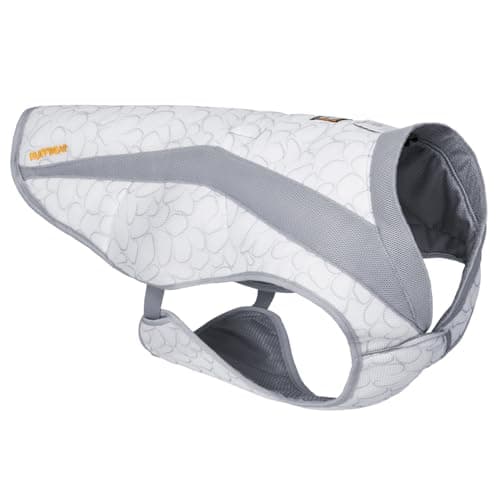
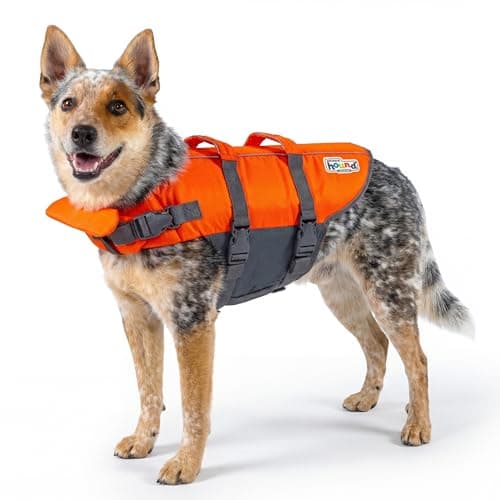
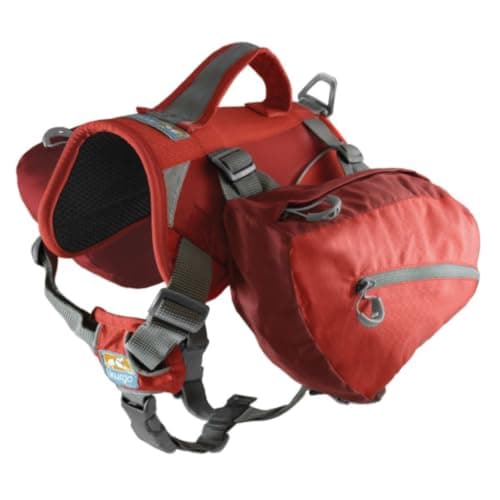
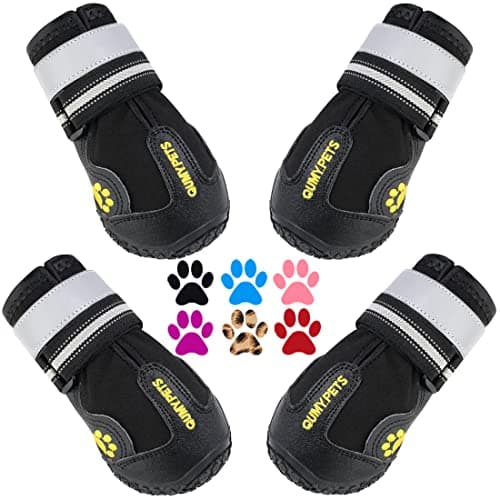
Adventure gear is where dog-gear marketing gets loudest and the value math gets murkiest. A trail harness, a GPS tracker, a cooling vest and a life jacket can each be bought for pocket money or for the price of a nice dinner, and the gap between the two isn’t always the gap the branding implies. The whole job of this hub is to walk you through the categories of outdoor gear a dog actually uses, tell you where spending more genuinely buys safety or durability, and — just as often — tell you where the cheap option does the job and the premium one is paying for a logo.
Two of these categories are safety gear, not comfort gear, and we treat them that way. A life jacket and a cooling vest are the difference between a fun day and an emergency, so the picks lean on independent guidance from the American Kennel Club rather than on our opinion. The rest — the harness, the tracker, the boots, the water bottle — are graded on features per dollar. Everywhere, the value pick leads the list, and we say plainly when a piece of gear is one you can skip.
The gear that earns its place in the pack
Outdoor gear for dogs sorts into a short list of categories, and most owners need three or four of them, not all six:
- A trail harness. Off the sidewalk, a harness beats a collar: it keeps leash force off the neck on steep, scrambly ground and gives you a handle to help a dog over an obstacle. This is the one piece almost every hiking dog should own.
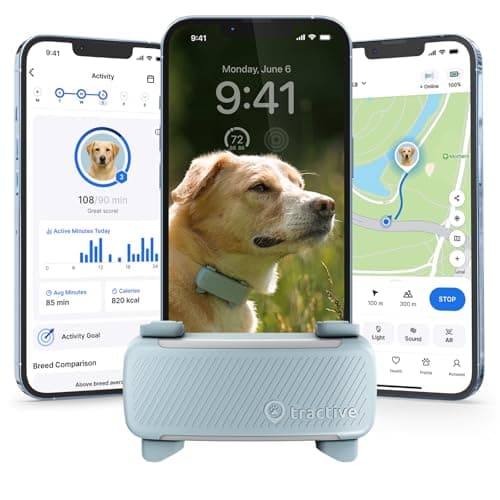
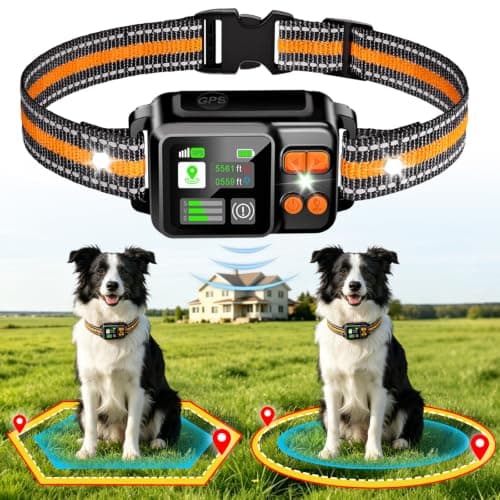
- A GPS or Bluetooth tracker. For a dog that might bolt off a trail, a tracker buys peace of mind — but the “no subscription” question hides a real catch we untangle below.
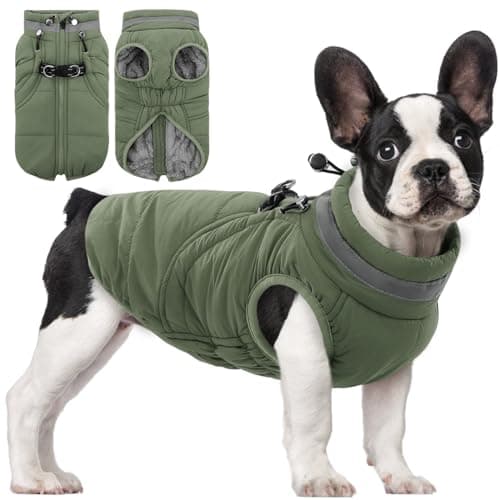
- A cooling vest. Evaporative vests genuinely pull heat off a panting dog in dry heat. They help; they do not make midday heat safe.
- A life jacket. For boating, open water, or any dog that isn’t a strong swimmer, a proper buoyancy vest with a grab handle is non-negotiable safety kit.
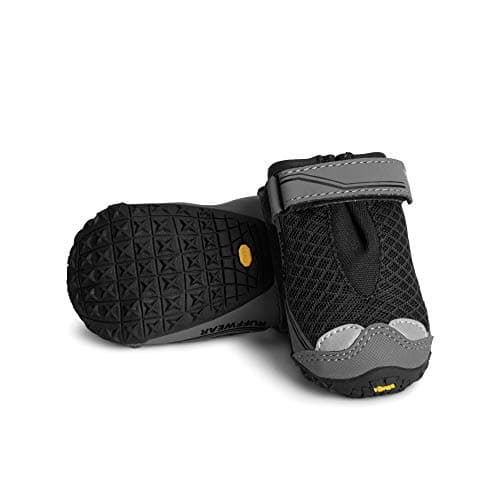
- Paw protection. Boots protect pads from hot pavement, sharp trail rock and winter salt — situational, but the right call when the ground is hostile.
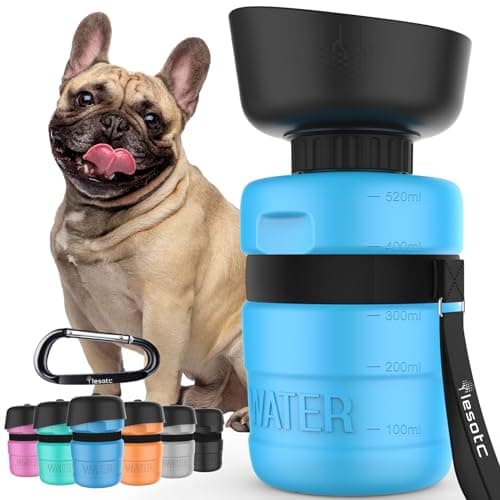
- Hydration. A leak-proof travel bottle is the cheapest, most-used piece of hot-weather kit most owners carry.
Heat is the risk most owners underrate
The single most useful thing on this page isn’t a product — it’s the AKC’s seven-second pavement test. Before a hot-weather walk, press the back of your hand flat to the pavement and hold it there. If you can’t keep it down for seven seconds, it’s too hot for your dog’s paws, and it’s time for boots, grass, or a walk after dark. Asphalt runs far hotter than the air, so a mild-feeling afternoon can still cook a pad. A cooling vest and a water bottle help a dog work in warmth, but they don’t change that rule — the safest hot-day gear is a different time of day.
Water safety: not every dog floats
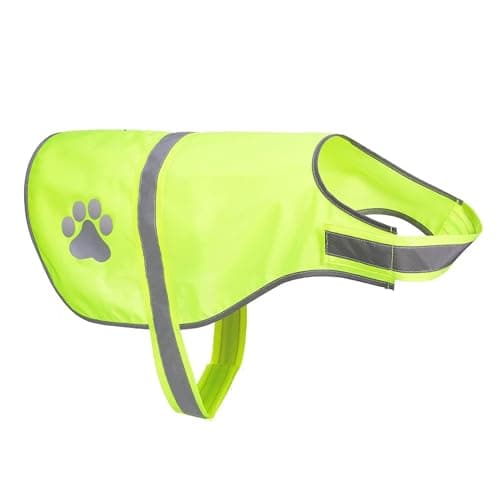
It’s a myth that all dogs are natural swimmers. The AKC is clear that plenty aren’t: flat-faced breeds struggle badly in the water, and even confident swimmers tire, panic in a current, or can’t climb a steep bank or a boat ladder on their own. That’s why a real life jacket matters for open water — not a token vest, but one with genuine flotation foam, a sturdy grab handle to lift a tired dog out, and bright, visible color. On or near a boat, a life jacket is the same common sense you already apply to yourself.
How we pick for value
We don’t run a test lab, and we don’t pretend to. What we do is read the published specs on every product — how a cooling vest cools, how much buoyancy a jacket carries, whether a tracker is live GPS or Bluetooth crowd-finding, what a subscription really costs over years — and then reason about which features earn their price for the way most owners actually use them. Where safety is on the line, we defer to independent authorities and cite them in the Sources section, so you can check the claim yourself. We never tell you we field-tested a unit we don’t own. The promise is honesty about specs and trade-offs, and a value pick that leads every list — including the ones where the honest answer is “you probably don’t need this at all.”
One honest limit on that lens: value is the right question for a dog that hikes at weekends, and the wrong one for a dog that works. If your season is hunting, field trials or long days in cold water, the question stops being features per dollar and becomes which strap, buckle or seam gives out first — Hound & Field scores the same outdoor gear on materials, hardware and warranty, which is the harder standard a working dog’s life jacket or cooling vest has to meet. For the weekend trail dog, the value pick below is still the one to buy.